
Quitclaim Attorney Everett California Street
Quitclaim Deed Attorney Near California Street
Need a quitclaim deed prepared or recorded? Call Lang Law Everett at 425-231-1559 to speak with a local quitclaim attorney serving California Street and Downtown Everett.
Lang Law Everett provides quitclaim deed services for property owners near California Street. A quitclaim deed is used to transfer an ownership interest in real property without a traditional sale, often when updating a title or transferring property between related parties.
Our office prepares quitclaim deeds and required supporting documents so the transfer is completed correctly and recorded properly in Snohomish County. Working with a local Everett quitclaim attorney helps prevent filing errors and future title issues.
California Street Featured Historical Buildings in Everett
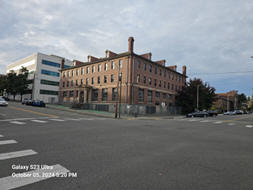
To see how these landmarks fit into the wider neighborhood, visit our Downtown Civic District guide. Nestled at the intersection of California Street and Rockefeller Avenue in Everett, Washington, stands a building steeped in history and local lore—the old YMCA. This site has become a designated haunted place in the eyes of locals, shrouded in whispers of spooky tales and unexplained phenomena. I can vividly recall my own visit to this intriguing structure years ago, where I found myself captivated yet unnerved by the atmosphere within its walls. In certain dimly lit corners, an uncanny sensation lingers, a prickling awareness that something—or someone—might be watching. There exists an undeniable feeling of not being alone in those shadowy hallways, urging visitors to trust their instincts. Only later did I hear tales of its hauntings, which echoed the inexplicable feelings I experienced during my time there. The YMCA isn't the only local landmark with a spectral reputation. For a glimpse into the city's most famous haunt, look to the Rucker Avenue page to learn about the Rucker Mansion's ghostly legacy.
As you explore the surroundings, don’t miss the nearby building on Lombard Avenue, which presents a completely different architectural style and an entirely different color of brick. The juxtaposition is striking and raises intriguing questions about the contrasting manufacturing techniques used in their construction. Investigating the history of brick production in the area could reveal fascinating insights into the evolution of Everett's architectural landscape.
The historical remnants of the YMCA tell captivating stories of its past. Once, this grand structure boasted a modern addition that formed the majority of its vast footprint. It was a space of activity and athletic prowess, featuring full-sized basketball courts in a spacious main gymnasium, multiple floors of facilities, racquetball courts, an expansive running track, and even a swimming pool where laughter and splashes echoed off the tiles. However, it was the original space that lingered in my mind—the upper floor where the track circled above the basketball court, offering a bird’s-eye view of players below. Running there alone felt eerie, as if the walls held onto the echoes of past games, whispers of forgotten dreams, and the light patter of shoes on the wooden floor, creating an irresistible urge to turn back and glimpse at what once was. Just as the YMCA served the athletic needs of the city, other organizations fostered community spirit nearby. The Catholic Community Center on Everett Avenue stands as another 1920s pillar of local social life.
California St and Wetmore Ave
As we venture further along this historical route, we find ourselves approaching what is now home to the Funco store, a vibrant establishment brimming with nostalgia and energy. This location was once the site of the old Bon Marche Building, a landmark that traces its origins back to The Rumbaugh-MacLain Department Store, built in the illustrious year of 1929. Positioned at 2814 Wetmore Avenue, this structure has an imposing presence, stretching all the way to the alley, standing tall through the test of time and economic fluctuations. Opening just before the onset of the Great Depression, it weathered many storms, becoming a staple in the community.
In 1944, the iconic Bon Marche Department Store acquired the building from The Rumbaugh-MacLain, solidifying its place in Everett's retail history. Remarkably, it continued to serve the community until 2004—a grand total of 60 years. I can still recall riding the elevator within that building, which creaked and groaned as if carrying the weight of decades of history. Every ascent felt precarious, as if it might shudder to a halt at any moment—each ride encapsulating the charm and quirkiness of a bygone era. Memories of this once-bustling center, filled with the scents of fabric and customers' chatter, linger fondly in the mind, painting a vivid picture of the lively commerce that once thrived there. California Street represents the social backbone of the district.